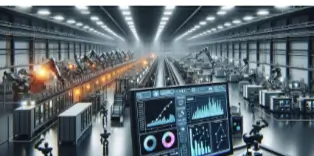

AI enables real-time data streams and analytics to optimize port throughput, safety, and reliability, while governance provides auditable, transparent decisions. Interoperable data across vessels, terminals, and rail supports measurement-driven management with standardized dashboards. Predictive models forecast demand, equipment needs, and berth slots, enabling proactive scheduling and reduced variability. AI-driven crane, yard, and gate optimization lowers dwell times and handling costs, but achieving resilient operations depends on governance, compliance, and continuous improvement—questions remain on practical limits and implementation paths.
What AI-Powered Port Operations Look Like Today
AI-powered port operations today combine real-time data streams with advanced analytics to optimize throughput, safety, and reliability. The approach emphasizes AI governance to ensure accountability, transparent decision-making, and risk controls, while data interoperability enables seamless exchange across vessels, terminals, and rail.
Operations remain measurement-driven, with standardized dashboards, auditable models, and continuous improvement cycles guiding resilient, freedom-oriented operational choices.
Predictive Analytics for Demand, Equipment, and Berth Scheduling
Demand forecasting, equipment utilization, and berth scheduling are driven by predictive analytics that synthesize historical flow, current port conditions, and external variables to produce probabilistic forecasts and scenario analyses.
The approach evaluates demand forecasting patterns, asset capacity, and berth scheduling constraints to optimize utilization, reduce variability, and enable proactive, data-driven decisions that support throughput goals while preserving operational freedom and resilience.
See also: How AI Supports Real-Time Quality Monitoring
AI-Driven Crane, Yard, and Gate Optimization in Action
The coordination of cranes, yard operations, and gate processes leverages real-time data, simulation outputs, and constraint-based optimization to minimize handling times and queuing. AI-driven crane systems synchronize lift plans with yard sequencing, reducing dwell and congestion. Yard AI-enabled gate scheduling adapts to arrivals, improving throughput, reducing bottlenecks, and delivering clearer visibility for operators and managers seeking flexible, data-backed decision-making.
Safety, Compliance, and Environmental Gains From AI
Safety, compliance, and environmental outcomes from AI harness objective monitoring and data-driven control to reduce risk, ensure regulatory alignment, and lower emissions. The approach quantifies incidents, tracks near-misses, and enforces safety culture through real-time alerts and standardized procedures.
Compliance auditing becomes continuous, transparent, and auditable, while emissions data guide optimization. Operators gain freedom to focus on proactive risk reduction and process stability.
Frequently Asked Questions
How Does AI Handle Data Privacy in Port Operations?
AI handles data privacy through strict data governance and continuous risk assessment, isolating sensitive information and monitoring access. It analyzes privacy risk, enforces policies, and quantifies exposure, supporting freedom-oriented, data-driven decisions in port operations.
What Are the Up-Front Costs and ROI Timelines for AI Systems?
Upfront costs vary by scale, technology, and integration, with roi timelines typically 12–36 months; data privacy compliance adds modest ongoing expense. The analysis shows measurable efficiency gains and throughput improvements, supporting an operations-focused, data-driven decision-making posture for freedom-seeking stakeholders.
Can AI Operate With Legacy Equipment Without Upgrades?
AI can operate with some legacy equipment, but results hinge on compatibility; legacy integration often requires adapters or middleware, while upgrade necessity remains variable, depending on data quality, latency, and safety compliance, impacting reliability, scalability, and long-term ROI.
How Do Human Operators Interact With AI Decision Recommendations?
The interaction unfolds as human-robot collaboration, with operators following AI-derived recommendations only after transparent, decision explainability is assessed. Suspense builds as data-driven metrics guide actions, balancing autonomy and control, enabling freedom-oriented, analytically grounded operations decisions.
What Happens if AI Makes Incorrect Scheduling or Routing Decisions?
AI misjudgments can disrupt schedules and routes; robust error mitigation, bias checks, and fallback plans are essential. Data privacy and legacy integration influence ROI timelines, while clear human–AI collaboration mitigates risk and sustains performance under uncertainty.
Conclusion
In a landscape where data streams converge like synchronized tides, port metrics align by coincidence, revealing patterns that were previously unseen. Demand curves, equipment utilization, and berth occupancy appear to mirror each other, as if fate nudges efficiency toward optimal flows. The analysis shows reductions in dwell times and throughput variability, while compliance trails stay auditable and transparent. This convergence suggests AI-driven operations deliver measurable gains across safety, reliability, and environmental performance, with resilient, data-led decision making.